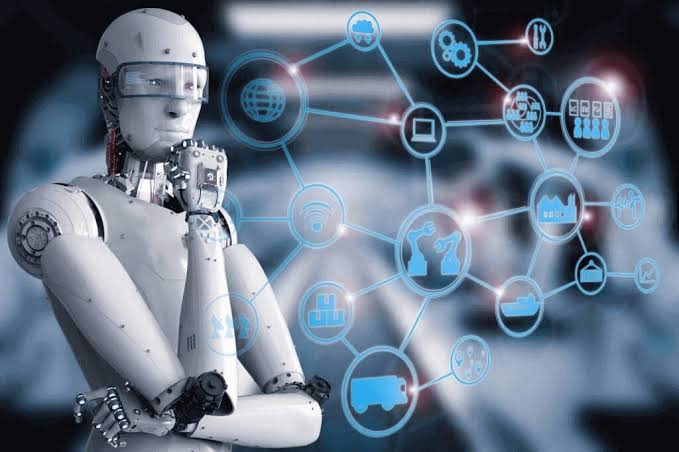
The insurance industry is experiencing a rapid transformation, driven by artificial intelligence (AI) and other emerging technologies. These advancements are revolutionizing how policies are designed, priced, and managed, leading to increased efficiency, reduced fraud, and improved customer experiences. Insurers that embrace digital innovation are gaining a competitive advantage, while those slow to adapt risk falling behind in an increasingly tech-driven marketplace.
One of the most significant ways AI is reshaping insurance is through faster and more efficient claims processing. In the past, filing a claim involved lengthy paperwork, manual assessments, and long wait times. Today, AI-powered systems can assess damage, verify claims, and determine payouts within minutes. Machine learning models are also being used to detect fraudulent claims, helping insurers minimize losses and ensuring legitimate claims are processed more quickly. This shift not only benefits insurance companies but also enhances customer satisfaction by reducing delays.
AI is also driving a more personalized approach to insurance. By analyzing vast amounts of data, insurers can assess risk with greater accuracy and tailor policies to individual needs. For example, telematics technology in auto insurance tracks driving habits, rewarding safe drivers with lower premiums. Similarly, health insurers are integrating wearable devices to offer discounts to policyholders who maintain active lifestyles. This move toward customized coverage is replacing the traditional one-size-fits-all model, making insurance more fair and flexible.
The rise of digital platforms and automation is another major shift in the industry. Virtual assistants and AI-powered chatbots are now handling customer inquiries, claims submissions, and policy management, providing 24/7 support. Additionally, blockchain technology is enhancing security and transparency in transactions, preventing fraud, and ensuring that policyholder data remains accurate and tamper-proof. These innovations are making insurance more accessible and trustworthy for consumers.
Looking ahead, AI and predictive analytics will play an even bigger role in the future of insurance. Insurers may use AI to anticipate risks before they occur, offering proactive policy adjustments based on lifestyle changes, weather patterns, or economic conditions. While automation will continue to improve efficiency, maintaining a balance between technology and human oversight will be essential to ensure ethical practices and customer trust.
In the end, AI and technology are not just enhancing the insurance industry—they are redefining it. Companies that embrace innovation will be better positioned to manage risks, serve customers more effectively, and thrive in an increasingly digital world. For policyholders, this evolution means more personalized, convenient, and transparent insurance solutions that align with their specific needs and behaviors.