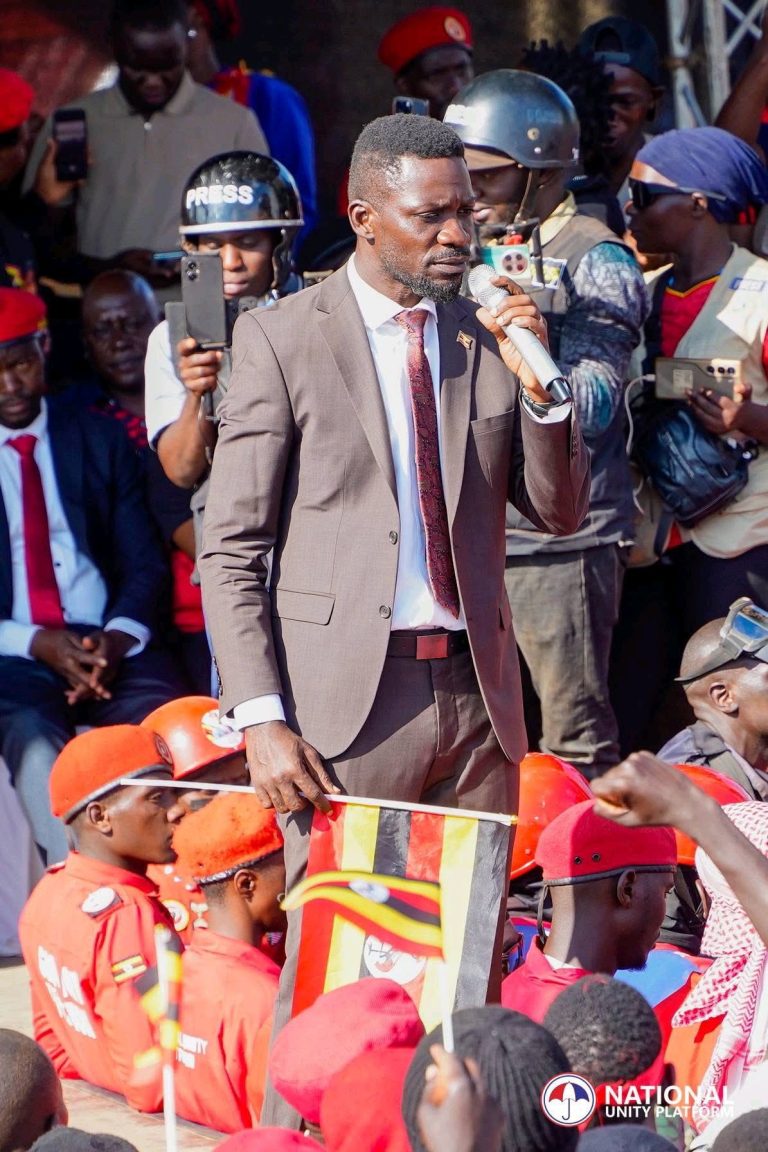
Tension briefly rose in parts of Northern Uganda after residents issued a strong warning to security officers over the use of teargas and live bullets during political activities linked to opposition leader Robert Kyagulanyi, popularly known as Bobi Wine. The warning came as crowds gathered to welcome him during his ongoing mobilization efforts.
According to eyewitnesses, several outspoken locals told police officers not to repeat the heavy-handed tactics often witnessed in other regions, especially in Buganda. They insisted that the North had suffered enough violence in the past and would not tolerate any unnecessary force against civilians.
One resident was heard saying that security officers should “fire teargas and bullets in Buganda but not here in the North,” a statement that quickly spread on social media and sparked debate across the country. The comment reflected deep frustrations among communities that feel targeted during political events.
Some residents even claimed that they were prepared to defend themselves if provoked. They warned that they would not allow the police to mistreat peaceful people and added that northerners were able to “take away guns” if pushed too far. This sentiment, though alarming, was said in reaction to the fear of repeated violence.
Local leaders and elders who witnessed the exchange said the statements were a result of long-standing trauma from decades of insecurity in the region. They explained that the North has endured enough conflict and wants political activities to proceed peacefully.
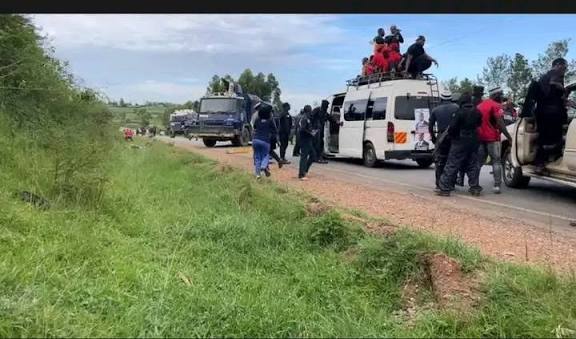
As Bobi Wine continued his tour, many residents gathered along roads, markets, and trading centers to wave at him and show support. The excitement of the crowds, however, made security agencies tighten their deployment to manage the situation.
Despite the heavy presence of police officers, residents insisted that they wanted a peaceful atmosphere where people could express themselves without fear. They urged security to remain professional and avoid unnecessary aggression.
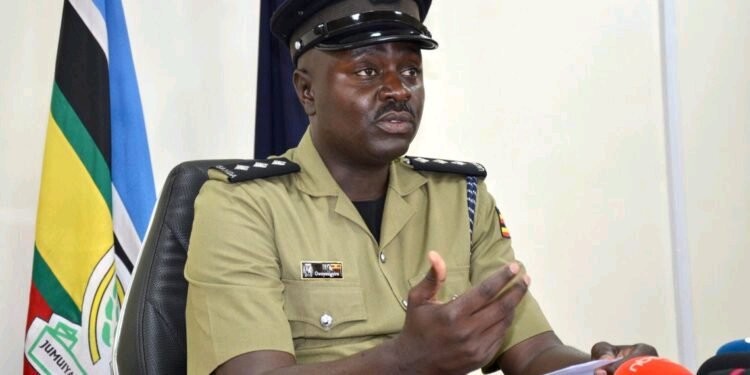
Police commanders on the ground later appealed for calm, reminding the public that their role was to maintain order and ensure safety for everyone involved. They also emphasized that no officer had been instructed to use force unless absolutely necessary.
Human rights activists have since called for dialogue between community leaders and security organs to prevent tension from escalating during political seasons. They urged both sides to respect the law and prioritize peace above everything else.
As the tour continues, many Ugandans are watching closely to see how security agencies handle gatherings in different regions. For now, the North has made its message clear — they want peaceful politics, fair treatment, and no repeat of past violence.