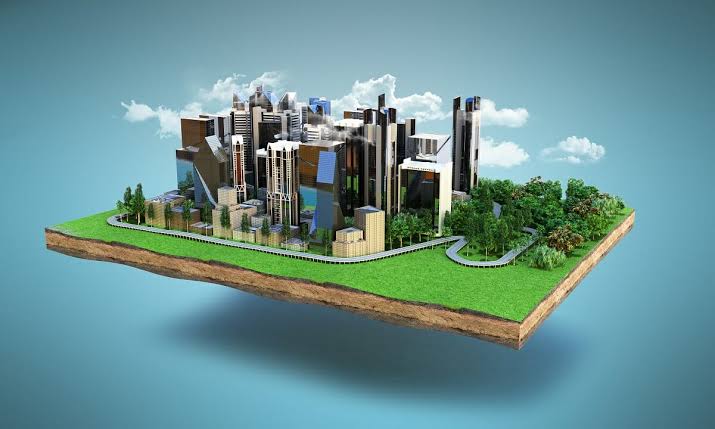
The commercial real estate (CRE) market in 2025 is navigating a dynamic landscape shaped by technology, shifting work culture, and an economy that’s gradually stabilizing after years of global uncertainty. From office towers to industrial hubs, each sector of CRE is writing its own comeback story, marked by resilience, reinvention, and renewed investor interest.
One of the biggest storylines continues to be the reinvention of office spaces. With hybrid work now the norm, companies are rethinking their real estate strategies. Instead of downsizing entirely, many are redesigning their spaces to prioritize collaboration, flexibility, and wellness. Open-concept layouts are giving way to modular designs, quiet zones, and tech-integrated meeting areas. The demand for “smart offices” that support remote connectivity, health-focused amenities, and sustainable design is reshaping urban business districts.
Meanwhile, industrial real estate is thriving. E-commerce growth shows no signs of slowing, and with it comes a surging need for distribution centers, last-mile delivery hubs, and warehouse space—especially near major metro areas. Even in smaller cities, industrial parks are expanding, often bolstered by investments in infrastructure and automation. Developers are responding with massive facilities outfitted for robotics, AI logistics, and energy-efficient operations.
Retail real estate, once thought to be in terminal decline, is also staging a strategic comeback. But it’s not business as usual. The malls of yesterday are being replaced with mixed-use developments that combine shops, dining, co-working spaces, and even residential units. Experiential retail—think fitness studios, pop-up shops, and entertainment venues—is driving foot traffic and offering landlords new ways to attract tenants and consumers alike.
On the investment side, commercial real estate is regaining momentum. Institutional investors and private equity firms are eyeing CRE as a hedge against inflation and a source of stable returns. Interest is especially high in multi-use properties and sustainable developments. However, high borrowing costs continue to challenge some buyers, making creative financing and joint ventures more common.
Another major trend is the emphasis on green building practices and ESG (Environmental, Social, Governance) principles. Tenants and investors alike are demanding higher standards in energy efficiency, accessibility, and community impact. As a result, buildings with green certifications and adaptive reuse potential are commanding a premium.
In short, commercial real estate is far from stagnant—it’s evolving fast and fueling innovation across industries. For investors, developers, and tenants alike, 2025 presents fresh challenges, but also exciting opportunities in a redefined marketplace.